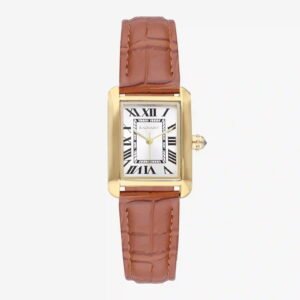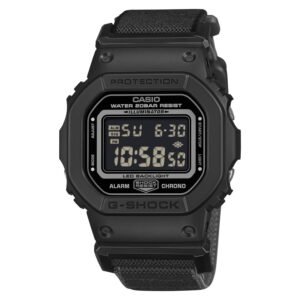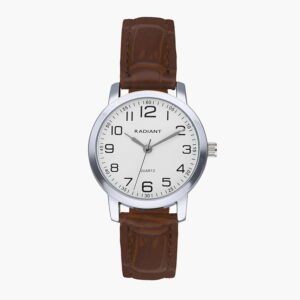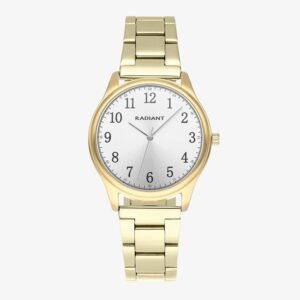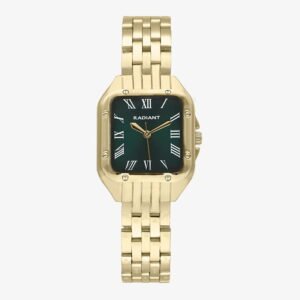

A first proper watch is different from any other purchase. You will look at it several times a day for years, and unlike most things you own it can be serviced and kept running for decades. That makes a little preparation worthwhile.
Start with case size, not brand
Case diameter is the single factor most likely to make you stop wearing a watch. Measure your wrist first.
| Wrist size | Comfortable case range |
|---|---|
| Under 16 cm | 34–38 mm |
| 16–18 cm | 38–41 mm |
| 18–20 cm | 40–43 mm |
| Over 20 cm | 42–46 mm |
Lug-to-lug length matters as much as diameter. A 40 mm case with long lugs can overhang a small wrist, while a 42 mm case with short lugs sits neatly.
Decide what the watch has to do
Three questions narrow the field quickly.
- Occasion. One watch for everything, or a dress piece alongside a daily wearer?
- Water resistance. 50 m survives rain and handwashing. 100 m handles swimming. 200 m and above is for diving.
- Movement. Mechanical for character, quartz for accuracy and low maintenance.
Materials: where the money goes
Case and bracelet
Stainless steel is durable, easy to refinish and the sensible default. Titanium is noticeably lighter and warmer on the wrist. Gold is heavier, softer and considerably more expensive.
Crystal
Sapphire is highly scratch-resistant and what you want on a watch you intend to keep. Mineral glass scratches more easily but costs far less to replace.
Strap
Leather suits dress watches but wears out. Steel bracelets last longest and can be adjusted. Rubber is the practical choice for sports models.
Accuracy expectations
A chronometer-certified mechanical watch is tested to −4/+6 seconds per day. A standard automatic may run −10/+30. A quartz watch will typically stay within 15 seconds per month. None of these differences matter much in daily life, but they matter to some buyers.
Servicing and long-term cost
Budget for a mechanical service every four to seven years. Ask about service intervals before you buy, and check whether the brand has an accessible service network in your country. A watch is only as good as the support behind it.
Buying from a dealer you trust
Verify the reference number, check that the warranty card matches the watch, and confirm the box and papers are included. A transparent seller will answer all three without hesitation. Every watch we ship is brand new, boxed, and covered by an international manufacturer warranty.
Frequently asked questions
What size watch should I buy?
Match the case to your wrist rather than to fashion. Most wrists between 16 and 18 cm are best served by a 38–41 mm case with a modest lug-to-lug length.
Is it worth buying an automatic as a first watch?
If you will wear it regularly and enjoy mechanical things, yes. If you want to pick it up after weeks away and have it running perfectly, quartz is the better first choice.
How much should a first luxury watch cost?
Spend what you are comfortable wearing daily. A watch you are afraid to scratch rarely gets worn, and an unworn watch is a poor purchase regardless of price.